
This is so true! Two basic longings drive much of what we do…. safety and significance. CBB 6/30/26
Chuck Degroat writes in Substack:
“Years ago, I discovered a surprising foundation for the kind of deep character change we long for—an essential for real transformation.
But let’s start here: If I asked you how deep change happens, how would you respond?
I’ve asked this at retreats, in churches, in seminary classes, with clients, and more. And what I hear are words like effort, discipline, accountability, suffering, or better spiritual practices. In other words, I just need to try a little harder.
I’m not denying the importance of some of these things, but I’ve become convinced that something else comes first.
Safety.
Why safety, though?
Years ago during my doctoral research, I spent time studying ancient rites of passage and journeys of transformation. Going into the project, I assumed that suffering would emerge as the primary catalyst for growth, not least because I’d read the gut-wrenching stories in Scripture: wilderness journeys and whale bellies, infertility and abandonment, exile and estrangement. Transformation through seasons of disruption, disorientation, loss, and longing.
To be sure, suffering certainly plays an important role—I spend quite a bit of time exploring it in my next book Who You’re Becoming because Christians, in particular, have all kinds of wild, unhelpful, and even dangerous takes on it. But what surprised me was that before pain, before risk, even before initiatory journeys, there was almost always a foundation of safety, belonging, and connection.
Think about Frodo and Sam in the Shire.
Before Mordor, before sacrifice, before heartbreak, there was home. There was friendship. There was belonging. Tolkein thought it important to orient them in an Edenic place where they knew themselves to be loved and connected. They experienced a sense of their ‘original goodness.’ And in many ways, it was the memory of that home that sustained them throughout the harrowing yet character-stretching journey. In other words, transformation requires an orienting point—a secure base from which we can venture into the unknown.
This early insight was affirmed over sixty years ago by attachment psychologist John Bowlby. He and his colleagues observed that children are most capable of exploration when they first experience a secure attachment—a reliable presence who communicates, “You are safe. You are loved. You belong.” From that secure base, children venture out into a world of inevitable suffering and heartbreak, returning when frightened, overwhelmed, or uncertain. The goal is never dependency but confident exploration. In many ways, healthy transformation works the same way. We grow not primarily through pressure or performance, but from the experience of secure connection. We become courageous enough to face the unknown because we know we are not facing it alone.
Today we understand something similar through the lens of the nervous system. When our bodies are organized around fear, threat, shame, or self-protection, most of our energy is devoted to survival. A nervous system consumed with survival has little capacity for transformation. In states of self-protection and defense, we may modify behavior or learn new information or make temporary adjustments. But deep change is difficult because the body remains braced, guarded, and defensive.
I think of a CEO I once worked with. By almost every external measure, he was successful. He was respected in his community, generous in his church, and accomplished in his profession. Yet he came to my office because his life was leaving a trail of pain behind it. His family and employees felt pressured. His relationships were strained to the point of breaking. As we explored his story, we discovered that he had grown up in a family organized around performance, achievement, and demand. He was proud of his family story, but it was not a story rooted in love. His young nervous system learned early that value came through performance.
What he experienced growing up became the atmosphere he created around him, one of demand and pressure and relentless exertion. This life felt normal…and who could argue? He was a “success,” after all.
One of the lessons he taught me is that success and character are not the same thing. Philanthropy is not an automatic sign of character. Achievement is not a revelation of maturity. Influence is not a measure of love. You can be admired and influential, and still be profoundly disconnected from your own heart. You can gain the whole world, and live soulless within it.
As the façade of his life began to crack, we discovered something deeper beneath all the striving. We discovered a primal longing for connection, belonging, and love—a longing I believe every human being carries. He sensed it in the room, in our connection, in the deep exhale that allowed him to shed tears, that allowed his inner performer to soften, that created space within and between for real connection. You might even say he experienced grace—the gift that allowed him to finally relax, the kindness that finally led to real repentance and change.
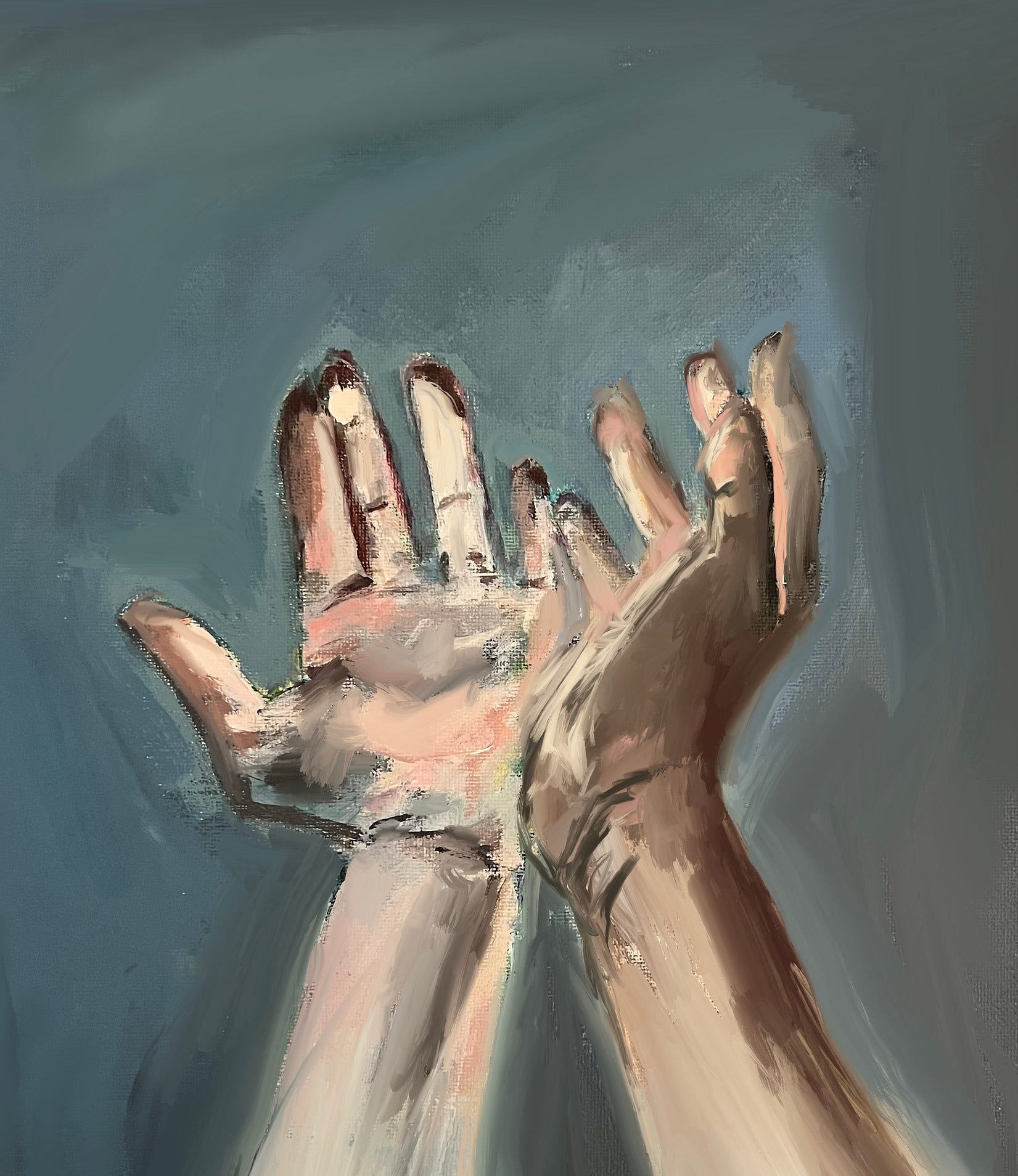
You see, we are image bearers of a relational God, created for communion, connection, safety, and love. This is our foundation, our orienting point, our Shire. As Henri Nouwen wrote, “Being the Beloved constitutes the core truth of our existence.”
This is why character change is not primarily about trying harder. It is not about exerting more effort, doing more quiet times, or taking a brief sabbatical, as helpful as effort and practices can be. They must first be anchored in safety.
The deeper invitation is to find your way to the still waters and green pastures. To become rooted and grounded in love. To discover a place of safety that can sustain you when life becomes disorienting. From there, you can begin to shape a life of character and manifest the fruits of the Spirit.
Reflection Questions
- How is your body postured toward life right now? Do you find yourself braced, guarded, striving, and self-protective—or grounded, receptive, and connected?
- What story did your family, church, or culture teach you about what makes a person valuable, lovable, or worthy? How does that story continue to shape the way you live today?
- If transformation begins not with trying harder but with becoming rooted and grounded in love, what might God be inviting you to receive rather than achieve in this season of your life?